Cocorná


Photo credits
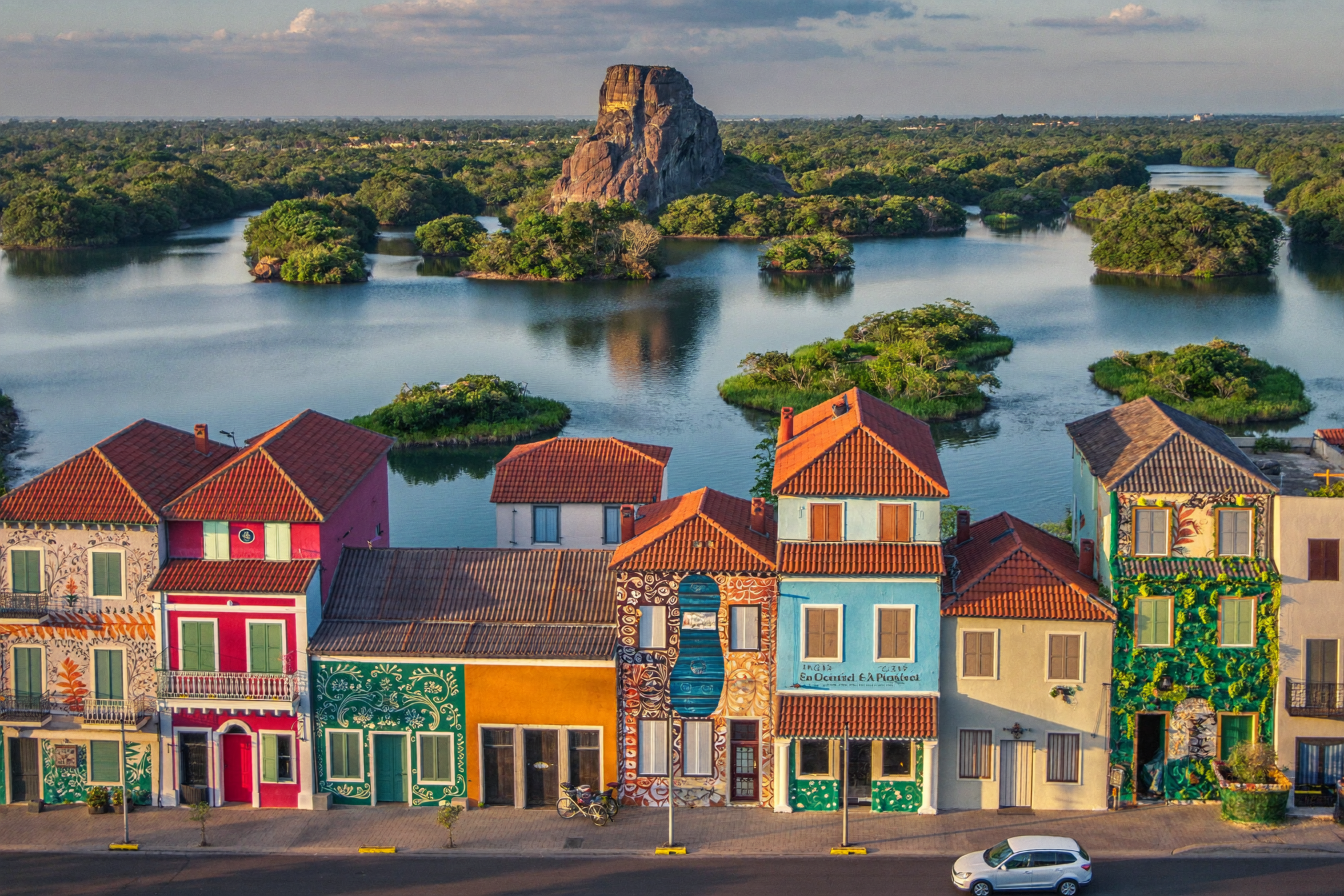
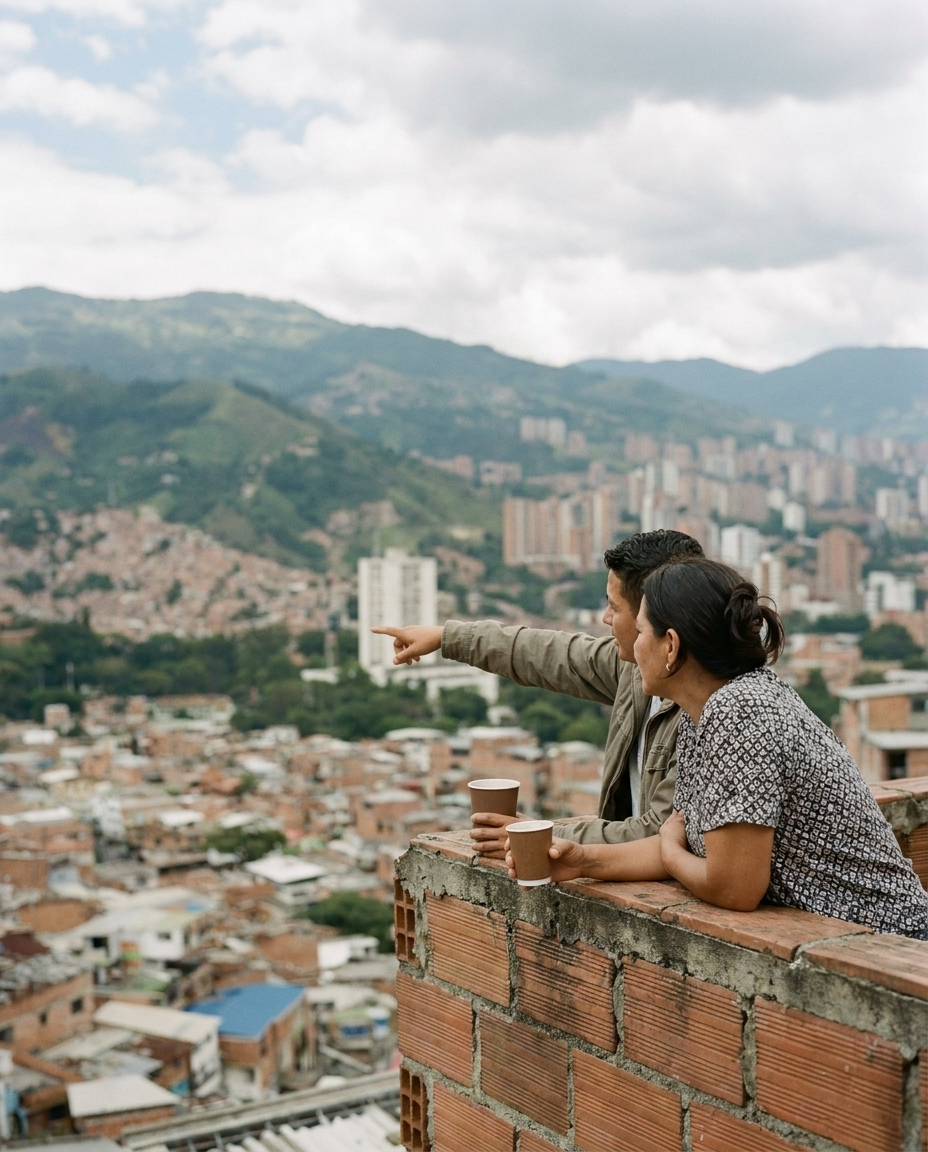
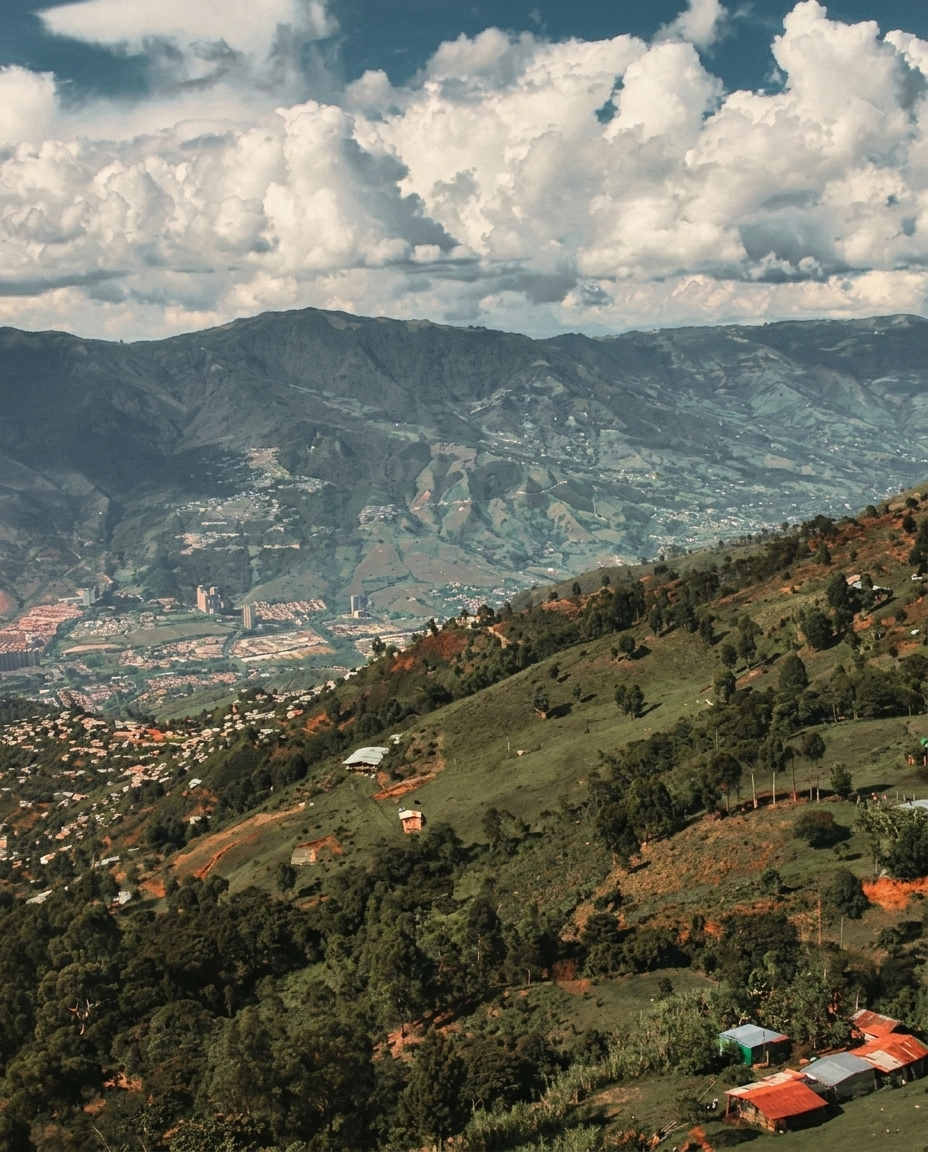
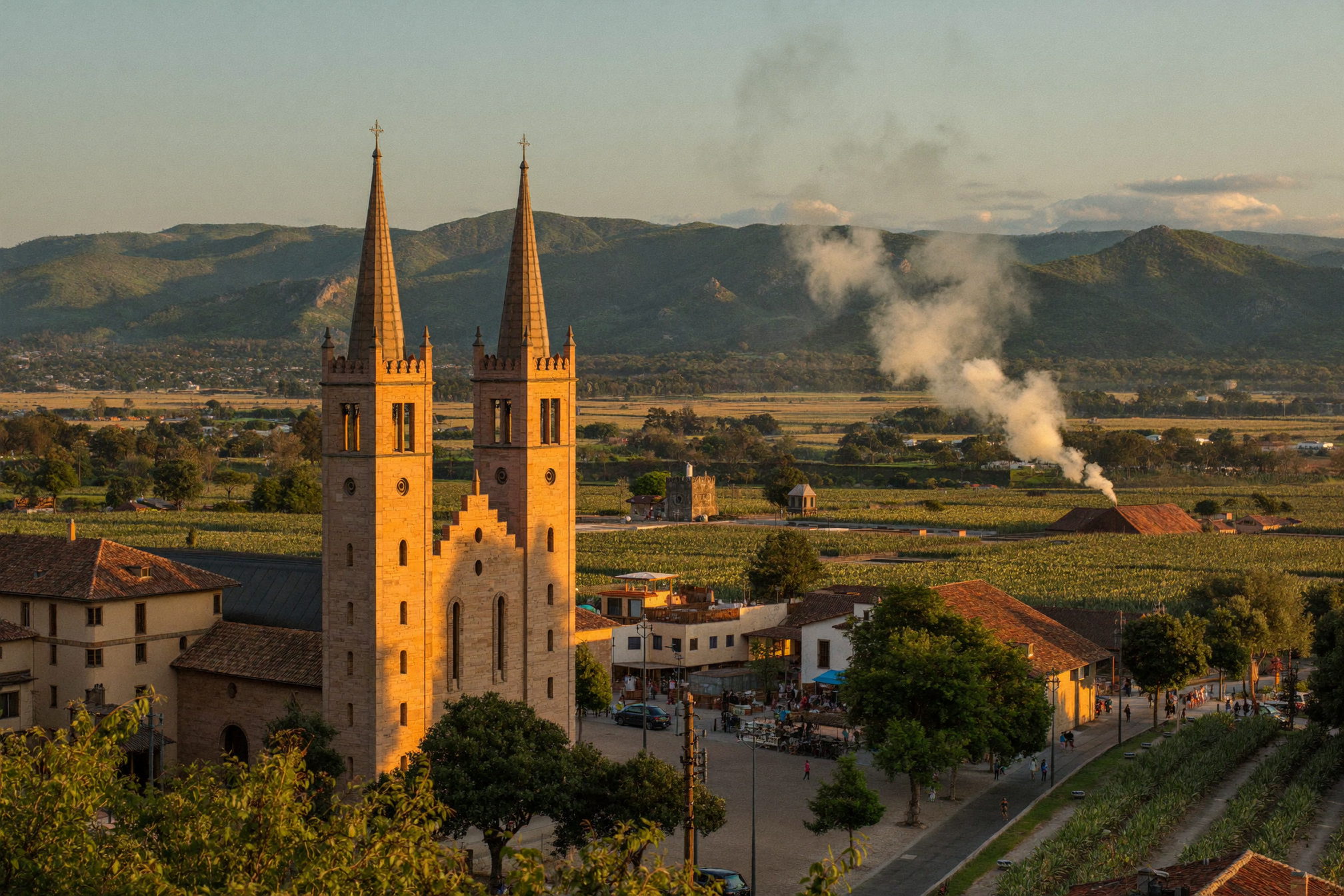
Photos via Google Places
Cocorná is a small town in Antioquia's Oriente region, about 80 km (roughly 2 hours) from Medellín, known for its natural swimming holes (charcos), waterfalls like the Cabellera de Venus, and the Río Melcocho and Río Cocorná. It's a popular weekend escape for tubing, hiking to cascades, and cooling off in the tropical-warm climate, alongside a small-town center with a baroque parish church and a lively Semana Santa tradition.
Cocorná is a small municipality in the Oriente Antioqueño (Eastern Antioquia) subregion, about 80 km southeast of Medellín. It sits at roughly 1,286 m above sea level, warmer and greener than Medellín, and has built its identity — and its weekend-tourism economy — around the rivers, streams, and waterfalls that cut through the surrounding hills. For Medellín-based expats and travelers, it’s a straightforward day trip or overnight for swimming in natural pools, short waterfall hikes, and river tubing.
Overview
Cocorná belongs to Antioquia’s Oriente subregion, along the Medellín–Bogotá highway corridor that also passes Guarne, Marinilla, and El Santuario. The municipality covers roughly 210–221 km² (sources vary slightly) and had about 15,981 residents as of the 2023 census update, spread between the urban center and dozens of rural veredas (Telencuestas/DANE; Municipios.com.co). Average temperature runs about 23°C, occasionally reported up to 28°C at midday in the valley bottoms (Turismo Antioquia; Mi Vida Viajera) — noticeably warmer and more humid than Medellín, which is exactly why the swimming holes are the draw.
History
The area’s Spanish-era settlement began in 1780, when about twenty families from neighboring Marinilla were granted land here by the Spanish crown, with formal title following in 1791. The viceparroquia (chapel district) was founded on February 14, 1793 by the priest Jorge Ramón de Posada, and Cocorná was formally erected as a municipality in 1864 by the Sovereign State of Antioquia’s constituent assembly (Alcaldía de Cocorná; Orientese.co). The town’s name comes from the Indigenous word cocozná, meaning roughly “land rich in game animals” (MiOriente).
The Iglesia de la Inmaculada Concepción, facing the main park, is Cocorná’s landmark church — a Baroque-style parish erected in 1784 under presbyter Fabián Sebastián Jiménez, with its façade later built by Maximiliano Hoyos and Sérvulo Ramírez (Comfama — Relato de Cocorná).
What to see & do
Charcos (natural swimming holes)
Cocorná’s rivers and streams feed dozens of natural pools, most free to visit and popular on weekends:
- Charco Guayabal, María Parda, and Las Arenosas are among the most visited.
- El Salado, in the vereda Alto de la Virgen, is about 20 minutes from the urban center.
- Smaller, closer-in spots like the Microcuenca La Guayabal and El Siete y El Ocho sit within easy reach of the main plaza. (Mi Vida Viajera; Oriente Antioqueño — Charcos en Cocorná)
Waterfalls (cascadas)
The standout is the Cascada Cabellera de Venus, visible on the way into town and reachable via a short trail (under 5 km) through forest with varied local flora and fauna; some operators also offer paragliding and torrentismo (waterfall rappelling) here. Reported drop heights vary a lot between sources — from around 40–50 m per drop to a single ~80–120 m figure — so treat any exact number as approximate and check with a local guide before booking an activity (Oriente Antioqueño; Semana). Other named cascades in the municipality include La Chorrera de Cocorná, Las Perlas, El Sinaí, La Trinidad, and the Charco y Cascada del Amor (Semana).
Rivers & balsaje (river tubing)
The Río Melcocho is often cited as one of the clearest rivers in the Oriente Antioqueño, the Río Cocorná is popular for fishing, and the Río Santo Domingo is used for adventure tourism and eco-hiking (Mi Vida Viajera). Local operators run balsaje (river tubing/rafting on inflatable tubes or rafts) on these rivers; specifics on routes, prices, and safety gear vary by outfitter and season, so book through a locally recommended guide rather than showing up unplanned, and always confirm life jackets are provided.
Town center
The main plaza, anchored by the Iglesia de la Inmaculada Concepción, is the natural starting point — small restaurants and shops ring it, and it’s where buses drop off and pick up.
Festivals
- Semana Santa en Vivo (Holy Week, live reenactment) — Cocorná’s flagship annual event, running for decades and drawing back cocornenses who’ve moved to Medellín or elsewhere; hotels fill up during this week (MiOriente).
- Fiestas del Retorno y Corralejas de Reyes / Fiesta de la Molienda — held around Epiphany in January, celebrating the town’s sugarcane (panela) tradition with horseback parades and rodeos.
- Festival Regional de Danzas y de las Vueltas Antioqueñas and Fiesta de la Molienda y El Cacique Cocorná — held in December.
- Fiesta y Feria de San Isidro Labrador and the Fiestas de la Panela (early January) round out the yearly calendar. (Puebliando por Antioquia; MiOriente)
Practical info
- Distance from Medellín: about 80 km (73–83 km depending on the source), roughly 1.5–2 hours by road via the Autopista Medellín–Bogotá through Guarne, Marinilla, and El Santuario. Two toll booths on the route (RutaDistancia; Mi Vida Viajera).
- Getting there by bus: regular buses run from Medellín’s Terminal del Norte (Carrera 64C #78-580) to Cocorná; COONORTE is one of the carriers serving this route — check current schedules and fares directly, as these change (COONORTE; Terminal del Norte info).
- Getting there by car/taxi/rideshare: straightforward via the Autopista Medellín–Bogotá; a private car or rideshare gives more flexibility to stop at charcos along the way.
- Elevation: ≈1,286 m above sea level.
- Climate: average around 23°C, warmer and more humid than Medellín — pack swimwear, a towel, and sun protection.
- Day trip vs. overnight: the town center and one or two charcos are doable in a day; if you want to combine the Cabellera de Venus hike with river tubing and a couple of charcos, an overnight stay spreads it out more comfortably.
Tips
- Weekends and Semana Santa get busy — charcos can be crowded and accommodation scarce; book ahead for Holy Week.
- Rural charcos and waterfalls generally have no shops or facilities nearby — bring cash, food, and water.
- Confirm current safety gear and guide arrangements before any balsaje, rappelling, or paragliding activity — offerings and operators change.
- Combine with nearby Oriente towns like Marinilla or El Santuario if renting a car, since they sit along the same corridor.
Nearby & related
- Explore more Towns in Antioquia’s Oriente subregion.
- See Things to Do around Medellín for more day-trip ideas.
- Check Plan Your Trip for general transport and safety guidance before heading out to rural Antioquia.
Tours & tickets in Cocorná
Booked on GetYourGuide. Prices and availability are live.
Booked through GetYourGuide. We earn a commission if you book — it costs you nothing extra, and it doesn't buy anyone a place on this page.
Location
Get directions →6.0040, -75.1362
Nearby
Other places to go, closest first.
Planning a trip to Cocorná?
Ask Kathe how to get there, when to go, and what's worth your time once you arrive. Answers come from a verified local source, not the open internet.