Colombia's New President 2026: What De La Espriella Means for Medellín Expats
Colombia's new president 2026 for expats: what De La Espriella's August 7 inauguration means for visas, taxes, and safety in Medellín.
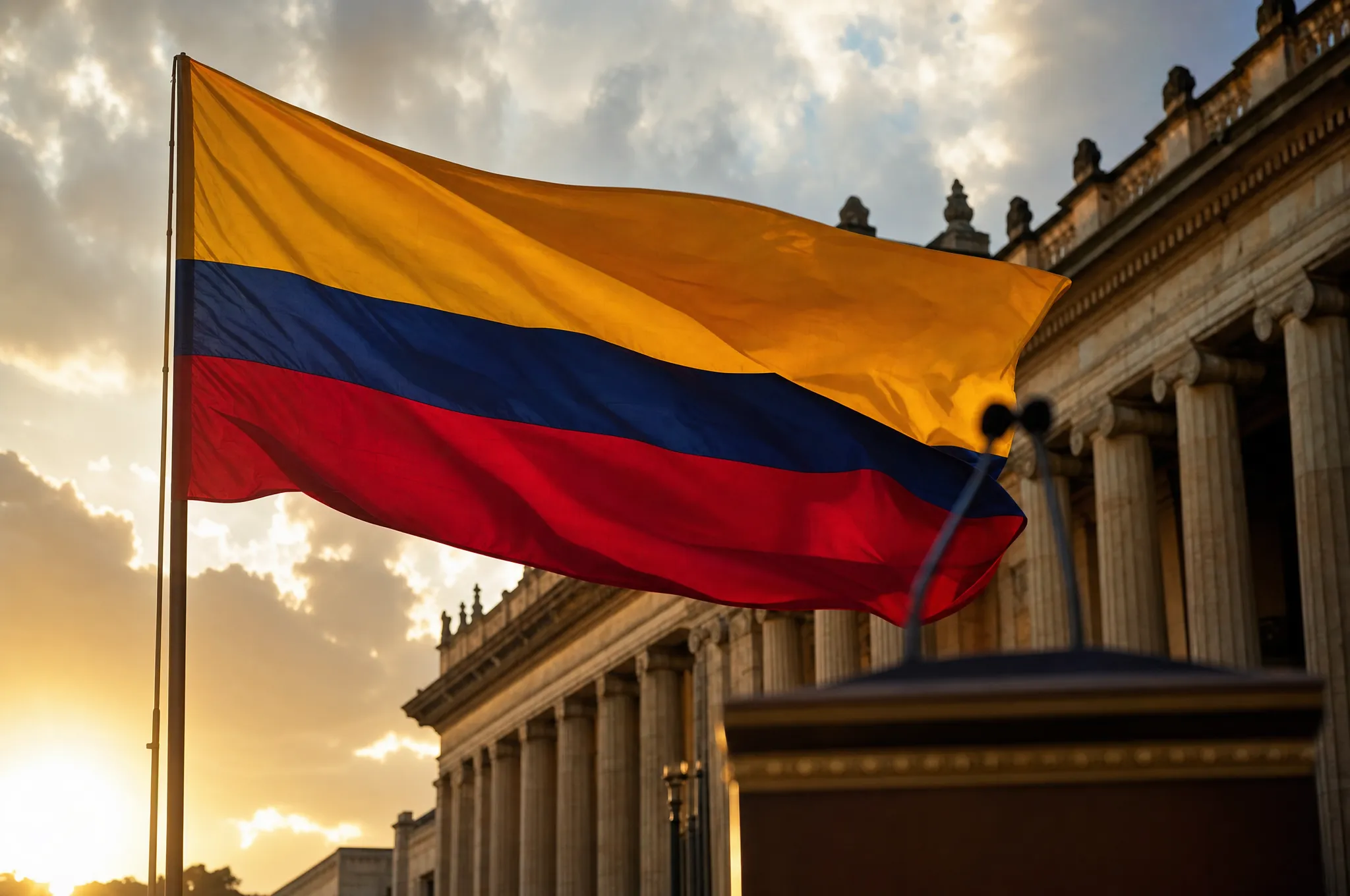
Colombia’s new president for 2026, expats and nomads should know, is not a career politician: Abelardo de la Espriella, a combative lawyer running as an outsider, is sworn in on August 7, 2026. He narrowly beat left-wing senator Iván Cepeda in the June 21 runoff, and his administration is already signaling a harder line on security and a more cautious one on spending — both of which touch anyone budgeting, working, or renewing paperwork in Medellín this year.
A razor-thin, contested win
De la Espriella won with 12,959,542 votes (49.66%) to Cepeda’s 12,708,712 (48.70%) — under a one-point margin — and Colombia’s National Electoral Council certified the result on June 24 (El Tiempo; France 24). Cepeda accepted the outcome days later. A Pacto Histórico lawyer separately filed a nullity lawsuit against the election; Colombia’s Consejo de Estado refused to admit it, leaving the result standing (Valora Analitik). A newer, narrower legal challenge — over where he takes office, not whether he won — was still active as of July 25 (Infobae).
Why the ceremony is moving to Cauca, not Bogotá
Breaking with tradition, De la Espriella wants to take his oath at a military garrison in Cauca, a department long affected by armed-group violence, instead of the capital. The Senate approved the venue change 55–32 on July 22, but the House of Representatives still had to sign off, and Petro-aligned lawmakers were disputing the plan’s legality with the Procuraduría as recently as this week (El Tiempo; Infobae). Allies frame it as a message that the state intends to reclaim historically abandoned, conflict-affected territory — a preview of the administration’s broader security posture.
A security crackdown starts on day one
That posture has specifics. De la Espriella’s team says he’ll sign a decree on August 7 creating an “Urban Defense Bloc,” part of a “Seguridad Democrática 2.0” plan built around ending Paz Total — the outgoing government’s negotiations with armed groups — in favor of direct military and police action, expanded Fuerza Pública presence, and heavier use of drones and intelligence (RCN Radio; El Colombiano). He campaigned on stabilizing conditions within his first 90 days (Infobae). For Medellín residents, the practical read is less about the city itself — which isn’t a front line in this plan — and more about whether the shift changes travel calculus to rural Cauca, Nariño, or other conflict zones foreigners sometimes visit.
A more cautious line on money — starting with wages
Miguel Gómez Martínez, De la Espriella’s designated finance minister, has already criticized the outgoing government’s 23% minimum-wage increase for 2026 as disconnected from productivity, and says the 2027 adjustment should track inflation and productivity growth instead — without naming a number yet (Infobae; Pulzo). That fits a broader fiscal-discipline stance: the incoming government has already publicly rejected the outgoing administration’s pending tax reform bill, which would have raised top income and wealth-tax rates. None of it changes 2026 tax residency rules, and a smaller 2027 wage bump wouldn’t reverse the peso’s decade-strong run against the dollar — but both are worth tracking if you’re budgeting past this year.
What about visas and immigration?
Here’s the honest gap: De la Espriella’s government program doesn’t contain a detailed immigration platform. Analysts note his rhetoric leans toward tighter migration control and identifying foreigners residing in Colombia illegally, paired with a “legal certainty” pitch aimed mainly at foreign investors rather than remote workers or retirees (mivisacolombia.com; Moncloa). As of late July, 14 of his 18 cabinet posts were confirmed, with the rest — including ministries that touch labor policy — due by inauguration day (colombia.com.co). Nothing in Colombia’s V/M/R visa categories or fee schedule changes automatically on August 7; if you’re renewing paperwork, keep an eye on Migración Colombia the way you already should after past cédula and visa-extension fee increases.
The bottom line
Nothing here is settled law yet — the inauguration venue itself was still being litigated as of this week. If you live in Medellín or are planning a move, the near-term watch list is narrow: whether the House confirms the Cauca ceremony, what the August 7 security decree actually says, and whether Migración Colombia signals any policy shift once the cabinet is complete. Treat every figure and plan above as current to July 25, 2026, and confirm anything financial or legal with a licensed professional before acting on it.

Founder of Medellín.co — a long-time resident writing about living in and visiting the city, including regular coverage of the Colombian peso/dollar exchange rate and its effect on expat budgets.
Continue reading

Colombia Deportation Targets Irregular Migrants in Medellín
Colombia deportation operations against irregular migrants were ordered the week of Aug. 24 — what Medellín expats with lapsed status should know.

Barranquilla Accords: What Colombia and the US Just Signed
The Barranquilla Accords between Colombia and the United States, signed Sept. 8, 2026 — what the Rubio-De la Espriella deal means for expats.

Colombia US Tariffs 2026: Trump Asked to Pause 12.5% Duty
Colombia US tariffs 2026: President De la Espriella asked Trump to suspend the 12.5% duty after the quake. What it means for the peso and prices.