Americans Denied Entry at Medellín Airport: 120 in 2026
Migración Colombia turned back five more Americans denied entry at Medellín's airport Sept. 3, pushing Antioquia's 2026 total to 120.

Figures current as of September 3, 2026, and running year-to-date — expect the totals below to keep climbing.
Quick answer: Migración Colombia denied entry to five more Americans at Medellín’s José María Córdova airport on September 3, 2026, after they arrived on separate flights from Miami and raised indicators of sexual-exploitation tourism. That pushes Antioquia’s 2026 inadmission total to 120, already well past all of 2025 — and historically, about 80% of these inadmissions have involved US citizens, per Migración Colombia figures. The agency’s new director says he’s traveling to Medellín this weekend to tighten procedures.
What happened at Medellín’s José María Córdova airport on September 3
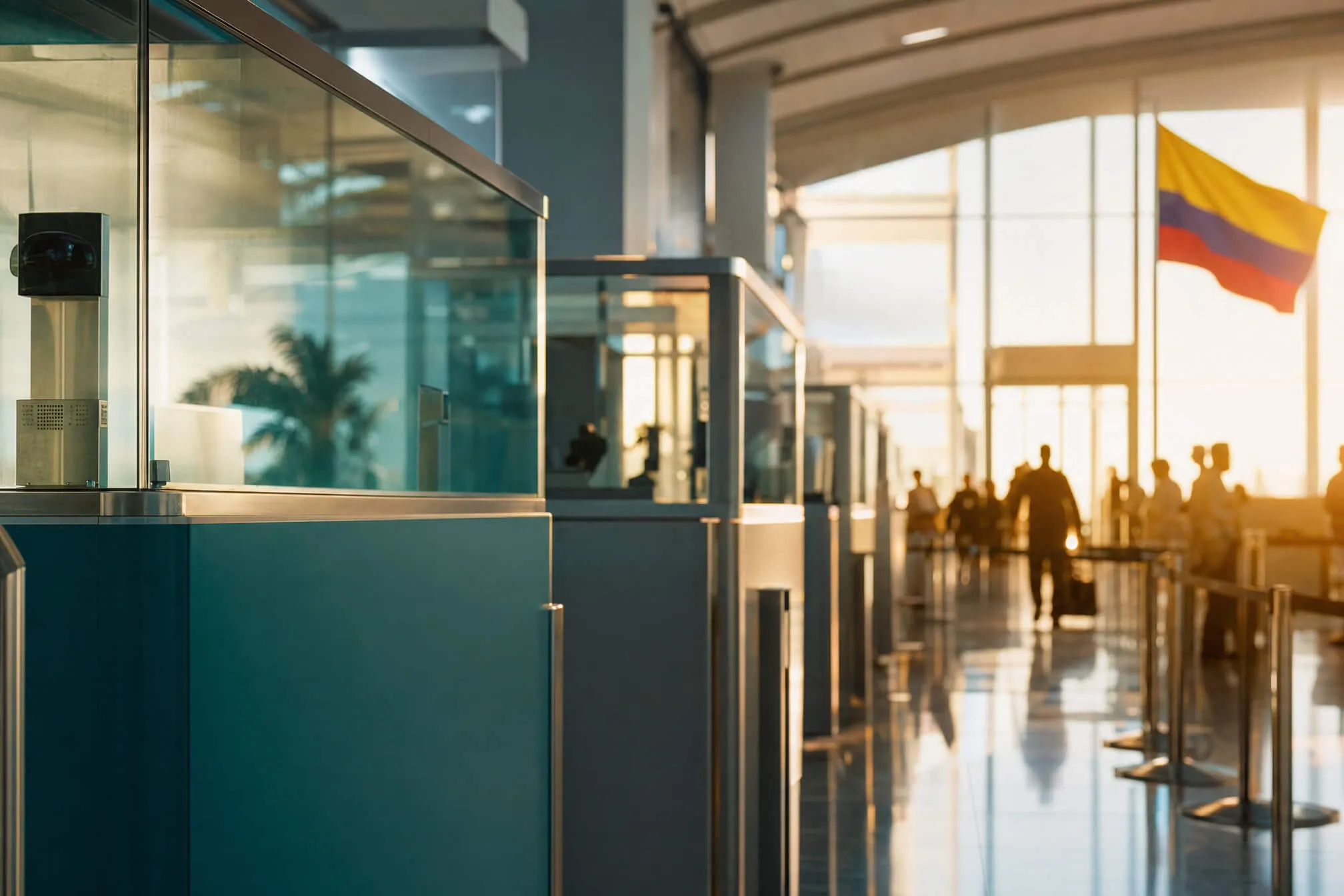
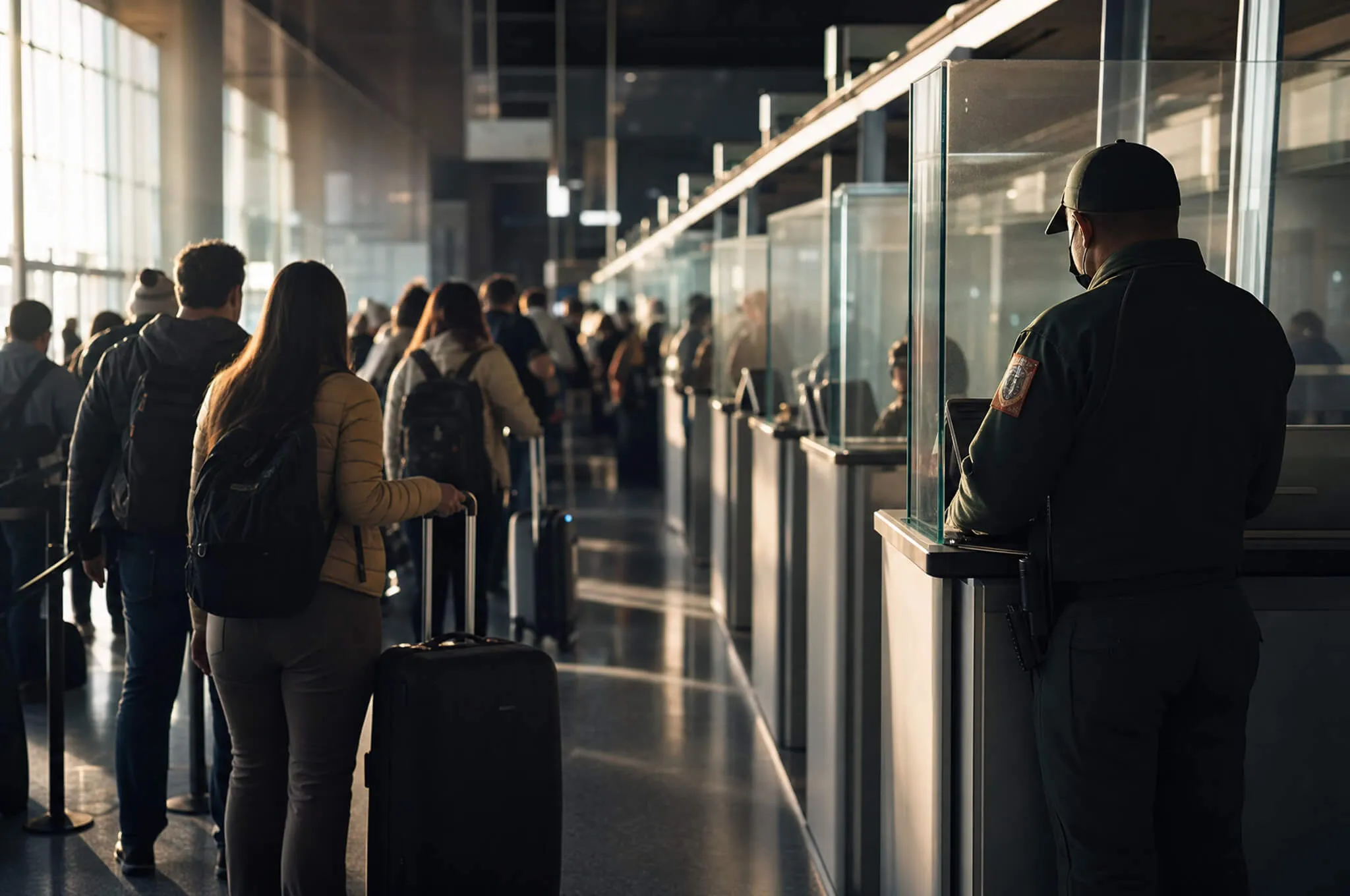
Five US citizens landed on separate Miami flights and were pulled aside for migration interviews. Officers said they found inconsistencies and indications (“indicios”) pointing to sexual-exploitation tourism rather than the ordinary tourism the travelers claimed, and issued on-the-spot inadmission orders before any of the five formally entered the country (El Colombiano).
All five were placed on return flights to the United States immediately, the standard outcome for this category of stop (LaFM).
That single batch of five brings Antioquia department’s running 2026 total to 120 foreigners denied entry for suspected sexual-exploitation tourism (El Colombiano). Historically, about 80% of these inadmissions have involved US citizens, per Migración Colombia figures (El Colombiano). That’s already above the roughly 80 inadmissions the department recorded in all of 2025 (El Colombiano).
It’s part of the same steady climb we’ve tracked through the year:
- 101 inadmissions by mid-July — full story
- 107 by August 1 — full story
- 120 as of September 3, from this incident
A new director, and a weekend trip to Medellín
The September 3 stops came barely a week into the tenure of Migración Colombia’s new director general, retired police lieutenant colonel José Luis Castañeda Tiria. His appointment, replacing outgoing director Gloria Esperanza Arriero, was formalized by presidential decree on August 25, 2026 (Infobae), and he was sworn in at the Palacio de San Carlos two days later, on August 27, 2026 (El Tiempo).
Castañeda called José María Córdova “strategic” given the volume of travelers it handles and one of Colombia’s principal entry points, and said the agency is working with local and national authorities “to improve information exchange [and] strengthen controls” (El Colombiano). He announced he would travel to Medellín this weekend to review airport procedures in person — based on the article’s September 3 publication date, that puts the trip around September 5–6.
Mayor Federico Gutiérrez recently met with FBI agents in the United States to advance transnational cooperation against exploitation networks (LaFM). The city has also formalized a Task Force with Migración Colombia, the FBI and HSI — presented at José María Córdova — aimed at identifying travelers with sexual-exploitation records or intentions before they arrive in Colombia (LaFM). That builds on the temporary Task Force Medellín 2026 screening operation the city ran with the same agencies through Feria de las Flores in early August.
Who is being denied entry at Medellín’s airport — and what Migración Colombia hasn’t said
What is documented is the nationality split. Individual 2026 cases reported so far have involved travelers arriving from cities including Houston, Miami and New York (El Colombiano), and Migración Colombia’s own figures show Americans have historically made up roughly 80% of Antioquia’s sexual-exploitation-tourism inadmissions in this category (El Colombiano).
Migración Colombia hasn’t published a breakdown of why Antioquia’s count keeps climbing this year specifically. The agency’s own public statements — including Castañeda’s pledge, above, to “improve information exchange [and] strengthen controls” — point toward expanding screening capacity rather than a sudden jump in how many people are attempting the trip, but that’s a reading of the agency’s own framing, not a figure Migración Colombia has released.
One federal tool that does factor into a narrower slice of cases is Angel Watch, a program run out of DHS’s Cyber Crimes Center. It proactively identifies US citizens already convicted of a sex crime against a minor by matching travel data against publicly available sex-offender registries. When it finds a match, the center notifies the destination country’s law-enforcement partners of that person’s pending arrival — it does not screen every US traveler on arrival (ICE). The September 3 stops don’t appear to be Angel Watch cases: El Colombiano’s reporting describes officers citing inconsistencies surfaced during in-person interviews, not an advance database alert.
What an inadmisión actually means
An inadmisión is an on-the-spot administrative decision under Ley 2136 de 2021 — the traveler is stopped before legally entering Colombia, there’s no appeal, and no criminal charge is filed in Colombia. It’s distinct from a deportación or expulsión, which apply only to someone already inside the country and can carry a multi-year re-entry ban.
What this means for travelers
None of this touches the vast majority of Americans flying into Medellín for tourism, remote work, or relocation — the screening described here is calibrated to interview red flags and intelligence hits tied to sexual-exploitation tourism, not routine arrivals. If you’re weighing Medellín’s broader safety picture before a trip, our coverage of the US Embassy’s crime alert for Americans in Medellín covers the other side of that conversation. Expect Antioquia’s 2026 count to keep climbing past 120 as Castañeda’s visit this weekend brings fresh attention to the checkpoint.
Frequently asked questions
Can Americans be denied entry to Colombia?
Yes. Migración Colombia can issue an on-the-spot inadmisión to any traveler, including US citizens, when officers find inconsistencies or red flags during arrival interviews — as happened to five Americans at José María Córdova on September 3, 2026.
What is an inadmisión, exactly?
It’s an administrative decision under Ley 2136 de 2021 that stops someone before they legally enter Colombia. There’s no appeal and no Colombian criminal charge — it’s different from a deportación or expulsión, which apply only to people already inside the country.
What does the 120 figure actually count?
As of September 3, 2026, it’s Antioquia department’s year-to-date total of foreigners denied entry specifically on suspected sexual-exploitation-tourism grounds in 2026 — not all foreigner inadmissions and not a nationwide count. Historically, about 80% of these inadmissions have involved US citizens, per Migración Colombia figures — though the agency hasn’t published a nationality breakdown of the 120 figure itself.
Does this affect ordinary American tourists?
No. The stops described here target interview red flags and intelligence tied to suspected sexual-exploitation tourism, not routine visits for tourism, remote work, or relocation.

Founder of Medellín.co — a long-time resident writing about living in and visiting the city, including regular coverage of the Colombian peso/dollar exchange rate and its effect on expat budgets.
Continue reading
Medellín Airport Denied Entry to 101 Foreigners in 2026
Medellín airport denied entry to 101 foreigners so far in 2026, already above all of 2025, after six Americans were turned back July 13.

Medellín Foreigners Arrested for Sex Crimes: 28 of 35 US
35 foreigners arrested for sex crimes in Medellín since 2024, 28 of them American — a rise El Colombiano puts at 1,000%+, though raw counts show ~400%.
Migración Colombia Denies Entry at Medellín Airport
Migración Colombia denied entry to a 'Passport Bros' influencer at Medellín's airport July 31 — 107 turned away across Antioquia in 2026, as of Aug. 1.