Medellín New Housing Construction Has Stalled Since 2014
Medellín new housing construction has fallen for a decade while the housing deficit sits at 16%. What's behind it, and what the POT fight means for renters.
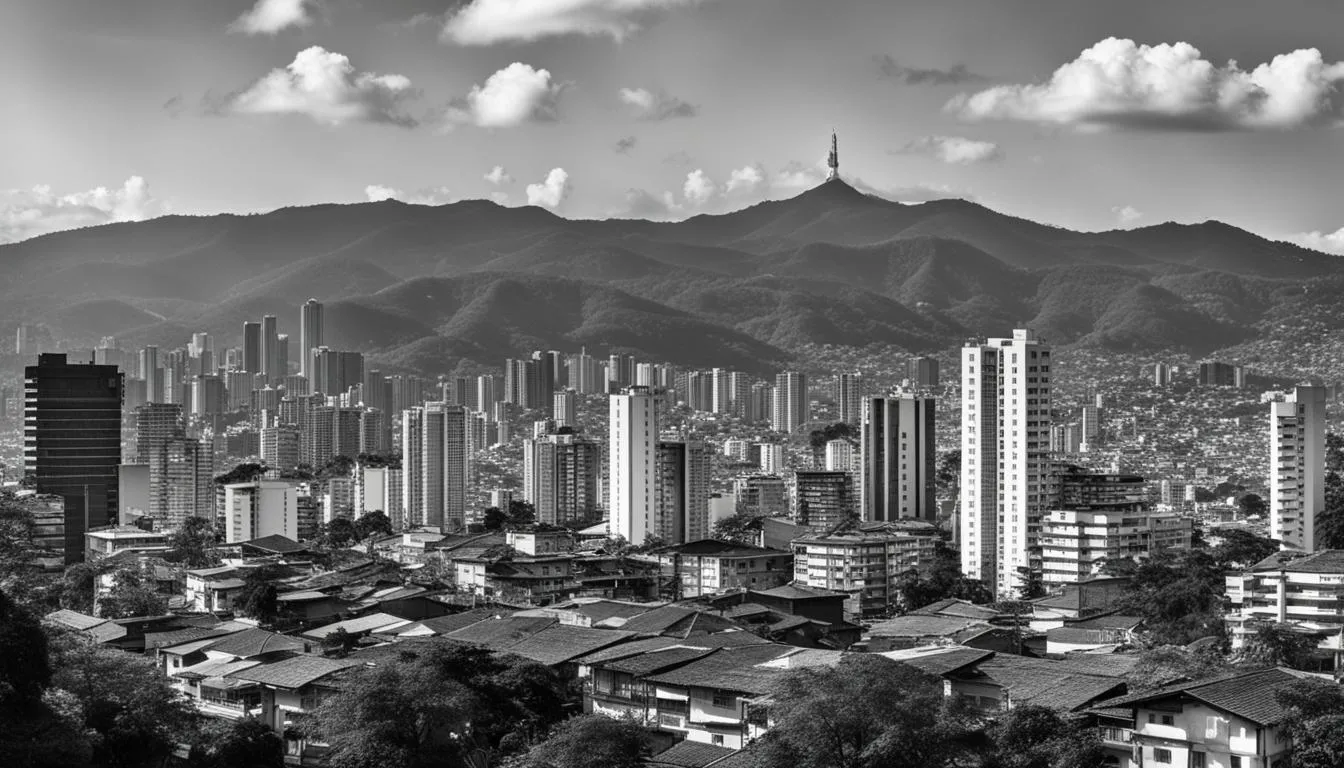
Medellín new housing construction has fallen sharply: average yearly VIS (social-interest) starts dropped from 1,520 in 2004–2014 to 503 in 2014–2024, a 67% decline, while the housing deficit stayed at 16%, according to a report by El Colombiano published October 3, 2026. The paper, citing the Medellín Cómo Vamos program, says the deficit has been stuck at 16% since 2014. For anyone renting here, that is the supply side of the housing market, though the report does not quantify its link to rents.
What the numbers say about Medellín new housing construction
VIS (vivienda de interés social) is subsidized social-interest housing with a legal price cap, and VIP (vivienda de interés prioritario) is the lower-priced priority tier. El Colombiano compares average yearly housing starts in the decade before and after the 2014 Plan de Ordenamiento Territorial (POT), the city’s land-use blueprint. Figures are per El Colombiano.
| Housing type | 2004–2014 (per year) | 2014–2024 (per year) | Change |
|---|---|---|---|
| Non-VIS (market-rate) | 1,520 | 1,093 | −28% |
| VIS (social-interest) | 1,520 | 503 | −67% |
| VIP (priority-interest) | 525 | 111 | −79% |
Meanwhile, the same report says the city’s population rose from about 2.07 million in 2006 to about 2.5 million in 2025. More people, fewer new homes.
Why building slowed
El Colombiano lists several causes:
- Limited expansion land. Under the 2014 POT, which aimed to densify central Medellín and restrict hillside growth, there is little room left to build outward.
- Expensive urban land, which often requires negotiating with many property owners.
- Developers moving out. Builders have shifted to metropolitan municipalities such as Bello, Sabaneta, Envigado, Itagüí and La Estrella.
- Rigid partial-plan requirements that make projects hard to carry out.
Urbanists disagree about the diagnosis, the report notes: some say strict rules choked development, others say they remain necessary for good planning.
Mayor Federico Gutiérrez has taken the first view. He has said the 2014 POT “stalled” Medellín on housing and that the city has submitted modifications to correct it, as quoted in El Colombiano’s POT coverage. On September 28, Infobae reported that he defended the POT changes as protecting family neighborhoods, saying “regular no es prohibir” (to regulate is not to prohibit). Treat the 2014-POT blame as the administration’s position, not settled fact.
Where Airbnb comes in
The POT revision does two jobs at once: housing rules and short-term rental limits. According to El Colombiano, the proposal would concentrate short-term rentals in “high mixtura” zones and special areas near metro stations, and restrict them in “low mixtura” (low mixed-use intensity, mostly residential) neighborhoods to protect family housing. Compare our earlier coverage of the possible end of Airbnb in Medellín and the crackdown on illegal Airbnb properties.
The figures in dispute, per the same article:
- El Colombiano reports hosts earned at least COP 435 billion last year through platforms like Airbnb; the tourism and platform side says more than 4,500 families depend on that income.
- Under the proposal, about 72% of the city falls in low-mixtura zones where short-term rentals would be restricted, versus 24.5% medium mixtura (highly conditioned) and 3.4% high mixtura (fully authorized). Rental platforms read that as a ban across 72% of the city and argue it conflicts with Law 2068 of 2020. Planning director Luz Ángela González rejects that reading: “En ningún momento vamos a prohibir, vamos es a regular.”
- González also presented figures showing room for about 179,000 tourist-housing units in designated zones, against 8,322 registered today.
Whether short-term rentals actually push up rents is contested. The two issues are linked in the political debate, but nothing in the numbers above shows how much of the rent squeeze comes from rentals versus a decade of weak construction.
Where the POT stands now
The City Council ended its third extraordinary session period on September 30, 2026, and, per IFM Noticias, will resume study of the revision, Acuerdo 104 de 2026, in October. The project covers land use, housing, short-term rentals and landslide and flood risk. IFM reports that more than 140 citizen proposals were incorporated. Nothing is approved yet.
What it means if you rent or plan to
- Don’t expect quick relief. Even if rules loosen, new projects take years to reach the market.
- Check whether your building falls in a low-mixtura zone if you own or book short stays. Final zoning could change which buildings can legally host them. Confirm the final text once it passes.
- Know your tenant protections. For the current, narrow rent measures after the August quake, see our explainer on Decreto 1423 de 2026.
- Understand the wider rental picture. See Medellín’s rental crisis for background.
- Budget with a buffer. Our look at rising living costs for expats in Medellín covers the wider picture.
Frequently asked questions
Why has housing construction slowed in Medellín? El Colombiano points to limited expansion land under the 2014 POT, costly urban land, rigid partial-plan requirements, and developers shifting to nearby municipalities such as Envigado and Sabaneta.
Is the POT revision approved? No. The Council resumes study of Acuerdo 104 de 2026 in October, per IFM Noticias.
How much new housing is Medellín building? Per El Colombiano, average yearly starts in 2014–2024 were 1,093 non-VIS, 503 VIS and 111 VIP units, down 28%, 67% and 79% from 2004–2014.
Does this affect rent prices for expats? Probably through tight supply, but the report does not quantify the link, and we found no sourced rent figure to cite. Whether short-term rentals add to the pressure is also contested.
Will Medellín ban Airbnb? Not under the current proposal as reported: it would concentrate short-term rentals in high-mixtura zones and restrict them in low-mixtura residential areas. The scope of the restriction is disputed, and nothing is final.
This is a news summary of cited reporting, not legal or investment advice. Figures as reported October 3, 2026 (construction) and September 22, 2026 (POT and short-term rentals); the POT text may change in Council.

Founder of Medellín.co — a long-time resident writing about living in and visiting the city, including regular coverage of the Colombian peso/dollar exchange rate and its effect on expat budgets.
Continue reading

Medellín POT Short-Term Rentals 2026: What the Vote Changes
A council committee voted 7-0 on Medellín's POT revision. Here is what it means for Airbnb hosts, where short-term rentals stay allowed, and what comes next.
Salón del Inmueble Medellín 2026: Dates, Hours & 178 Projects
Salón del Inmueble Medellín 2026 runs Oct 23–25 at El Tesoro: 33 builders, 178 projects, and a COP 130 billion sales target. Hours and what to know.

Decreto 1423 de 2026 Arrendamientos: Rent Freeze Explained
Decreto 1423 de 2026 arrendamientos delays rent hikes and evictions for six months, but only for quake-affected tenants. What Medellín renters should know.