Scopolamine Medellín: Robberies Up 89%, El Poblado Leads
Scopolamine Medellin robberies hit 428 cases in 2026, up 89% year over year, with El Poblado and Laureles leading the SISC comuna data.
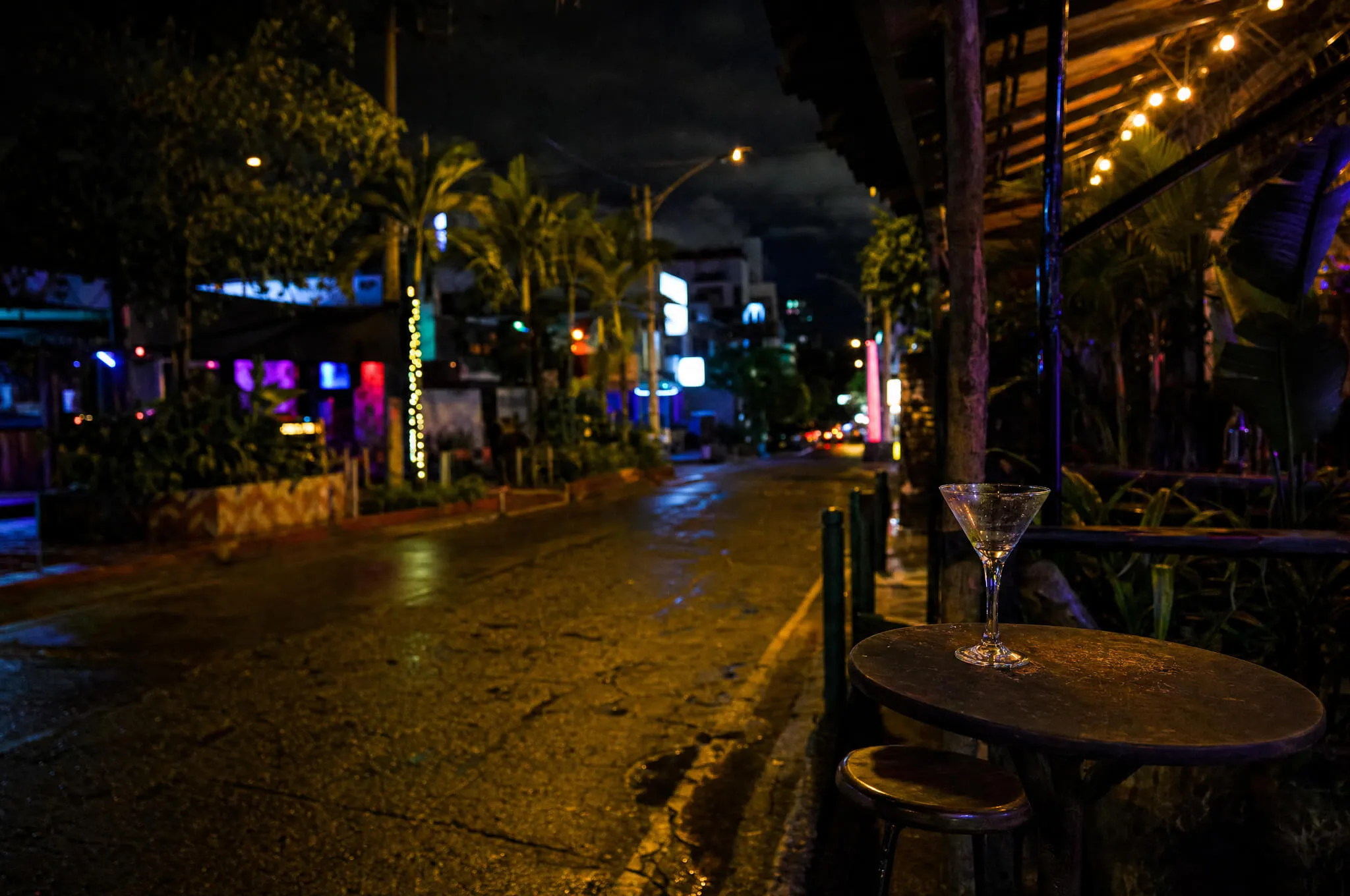
Quick answer: Scopolamine Medellín robberies hit 428 cases in 2026 through early August, up from 227 in the same period of 2025 — an 89% jump — according to city SISC figures reported by El Colombiano on August 6, 2026. It’s one of the most detailed comuna-level breakdowns of the problem published this year, and it names Comuna 14 (El Poblado) and Comuna 11 (Laureles-Estadio) — the two neighborhoods most popular with foreigners — as the leading hot spots.
What the SISC scopolamine numbers actually show
The Sistema de Información para la Seguridad y la Convivencia (SISC) is Medellín’s official crime-data system, tracking weekly indicators across all 16 comunas (medellin.gov.co). Per its data as reported by El Colombiano on August 6, 2026, scopolamine-linked thefts citywide rose from 227 cases in the January–early August window of 2025 to 428 in the same window of 2026 — a net increase of 201 cases, or 89% (El Colombiano).
That citywide figure sits on top of a broader pattern: El Tiempo reported in May 2026 that 173 foreign nationals had already been robbed in Medellín year-to-date, spanning scopolamine drugging, dating-app-linked robberies, and other targeted schemes, per the city’s Secretaría de Seguridad (El Tiempo).
What is scopolamine?
Scopolamine is a plant-derived anticholinergic compound, extracted from borrachero shrubs in the nightshade family, that in legitimate medicine treats motion sickness and nausea (The Conversation). In its powdered street form — known locally as “burundanga” — it’s odorless and tasteless, easy to slip into a drink or food without detection. It blocks the neurotransmitter acetylcholine; victims commonly describe becoming compliant and suggestible rather than simply asleep, though researchers debate how strong that effect really is.
A US Embassy security alert on sedative-facilitated crime warns it can render victims unconscious for up to 24 hours or more — the same pattern our earlier coverage of the embassy’s July 2026 warning documented locally in Medellín, including cases where victims had no memory of what happened.
El Poblado and Laureles lead the comuna data
The SISC breakdown, as reported by El Colombiano on August 6, shows the sharpest concentration in the two comunas most foreign visitors and expats actually spend time in:
Case counts by comuna, 2025 vs. 2026
| Comuna | 2026 | 2025 |
|---|---|---|
| Comuna 14, El Poblado | 108 | 57 |
| Comuna 11, Laureles-Estadio | 106 | 42 |
| Comuna 10, Centro (La Candelaria) | 80 | 66 |
| Comuna 16, Belén | 45 | 9 |
Why El Poblado and Laureles lead
El Poblado and Laureles together account for roughly half of the citywide total: El Poblado’s case count nearly doubled year over year, and Laureles’ more than doubled, up 2.5x. That tracks with earlier reporting: El Tiempo’s investigation into robbery rings names Parque Lleras and Provenza in El Poblado at the street level, and identifies Laureles more broadly as an area where these dating-app-driven robbery rings also operate (El Tiempo).
Is El Poblado safe in 2026?
Yes, for the vast majority of visitors — but with a specific, avoidable risk. El Poblado logged zero homicides between January 1 and February 24, 2026, part of a broader run of record-low violent crime in the comuna (Alcaldía de Medellín).
At the same time, it is now the single largest source of scopolamine cases in the city, not a footnote to them. That squares with the city’s broader 2026 safety numbers: violent crime overall has kept trending down citywide, even as specific, targeted crimes against foreigners in nightlife zones have climbed. The two trends aren’t contradictory: Medellín’s homicide rate and its scopolamine rate are measuring different things, and El Poblado’s nightlife density is exactly what makes it attractive to both restaurant-goers and the robbery rings that target them.
This is also the pattern the US Embassy’s July 2026 security alert flagged before the comuna data existed to confirm it: dating apps and nightlife venues as the primary vector, sedatives that are odorless and tasteless, and effects that, per the embassy’s alert on sedative-facilitated crime, can last up to 24 hours or more.
How scopolamine Medellín robberies typically happen
Reporting across El Tiempo, Infobae, and El Colombiano this year describes a consistent pattern rather than random opportunism. Organized groups use dating apps or in-person approaches in bars and restaurants to identify foreign targets. Authorities linked one ring, “Las Tinderianas,” to more than $400 million pesos in thefts — roughly US$125,000 at the TRM of 3,219 pesos per dollar on July 24, 2026 (see our rate breakdown) — before dismantling it on April 30, 2026 (El Tiempo). The pattern itself is simple and repeats across individual cases: a match arranges a date, a drink gets adulterated, and the victim is robbed — sometimes over hours, conscious but suggestible, sometimes left unconscious for a day or more with no memory of what happened (Infobae).
What to do if you think you’ve been drugged
If you or someone with you shows signs of having been drugged — sudden disorientation, slurred speech, unusual compliance, or memory gaps — treat it as a medical emergency first and a police matter second:
- Get to a hospital or call 123, Colombia’s national emergency line, immediately; scopolamine poisoning can be medically dangerous, not just a robbery risk.
- Once safe, report the incident to the Fiscalía or the nearest police station (CAI) so it enters the official case count — Medellín’s own guidance on where and how to file a robbery report is available from the Alcaldía de Medellín.
- US citizens should also contact the Embassy’s American Citizen Services for crime victims, which can help with emergency funds, a list of local attorneys, and coordinating with family back home.
What it means if you’re visiting or living here
Colombia’s incoming national government is already responding to street crime broadly, including scopolamine Medellin robberies — the new bloques de seguridad urbana police units are standing up in Medellín this same week, though their scopolamine-specific impact won’t show in the data for months. This isn’t a new pattern for the city — we’ve covered an earlier scopolamine attack in nearby Itagüí — and the SISC comuna data now gives it a neighborhood-level shape that previous reporting mostly described anecdotally.
Practical steps for right now
Until the new units show results, the practical guidance from the Embassy and local reporting hasn’t changed:
- Watch your drink from pour to last sip.
- Meet dating-app matches in public for the first several encounters.
- Keep the no dar papaya mindset in nightlife zones specifically.
- Treat El Poblado and Laureles nightlife strips as places to be more careful, not places to avoid — both remain functional, walkable neighborhoods for the vast majority of visitors who pass through without incident.
Bottom line: the 89% jump is real, sourced to the city’s own SISC system, and concentrated in the two comunas foreigners frequent most. It’s a reason to adjust nightlife habits in El Poblado and Laureles specifically — not a reason to cancel a trip to Medellín.

Founder of Medellín.co — a long-time resident writing about living in and visiting the city, including regular coverage of the Colombian peso/dollar exchange rate and its effect on expat budgets.
Continue reading

American Killed in Laureles Medellín Hotel: What We Know
An American killed in a Laureles, Medellín hotel: authorities call it a homicide; scopolamine is suspected but unconfirmed. What is known so far.

Laureles Medellín Safety for Foreigners: La 70 Stabbing
A British student was stabbed resisting an attempted kidnapping on La 70 — what it means for Laureles Medellín safety for foreigners.

Australian Stabbed in Laureles, Medellín After EDC
A 46-year-old Australian was stabbed near his Laureles home in Medellín after EDC on Oct. 11. What's reported, plus late-night safety tips.