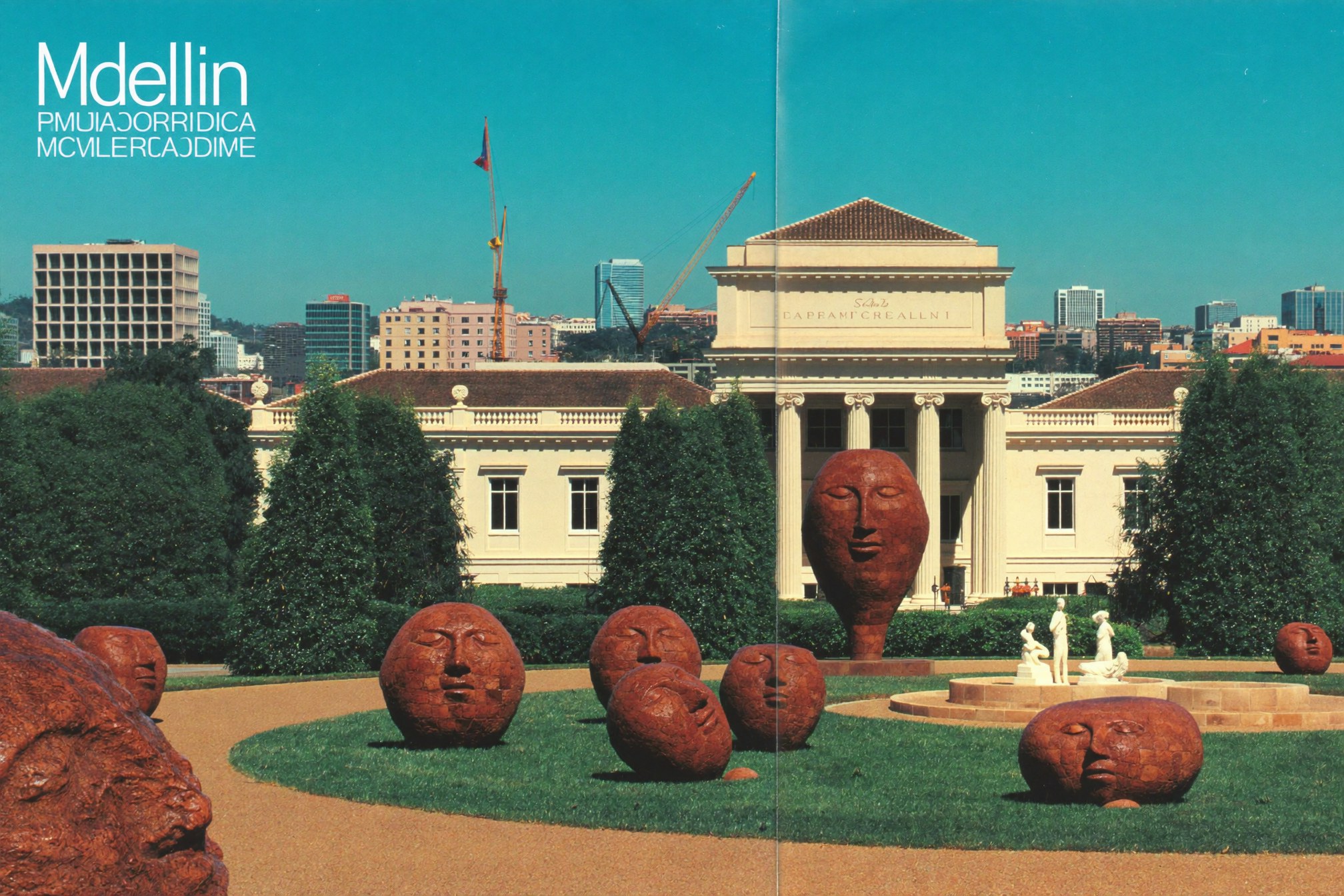
Museo de Antioquia
Colombia's second-oldest museum, home to the world's largest Botero collection, on Plaza Botero in El Centro.
Founded in 1881, the Museo de Antioquia is Medellín's flagship art museum, housed in the former municipal palace on Plaza Botero in the city's historic Centro. Its 188-piece Fernando Botero collection is the largest in the world, alongside Colombian modern art and rotating contemporary shows.
The Museo de Antioquia is Medellín’s most important art museum and one of the oldest in Colombia — a downtown institution that anchors Plaza Botero and holds the world’s largest public collection of works by Fernando Botero. For visitors staying in El Poblado or Laureles, it’s the single best reason to spend a morning in El Centro.
Overview
The museum occupies a Republican-style former municipal palace on the western side of Plaza Botero, in the Candelaria district of downtown Medellín. Inside, permanent galleries move from 19th- and 20th-century Colombian painting through the Botero rooms to contemporary and rotating temporary exhibitions, with a dedicated international-art donation gallery and craft/decolonial-dialogue rooms added in recent years (museodeantioquia.co).
History and founding
The museum traces its founding to 29 November 1881, when the Sovereign State of Antioquia’s government created it as the Museo y Biblioteca de Zea, named for botanist Francisco Antonio Zea; it opened to the public on 20 July 1882, making it the second-oldest museum in Colombia (Infobae). It took its current name, Museo de Antioquia, in 1977, the same year the Pedrito Botero room opened following the artist’s first donation of his own work (Wikipedia). The museum moved into its present home — the former Palacio Municipal — with a first-stage reopening on 15 October 2000, an event Fernando Botero himself inaugurated by giving the first guided tour (El Colombiano).
The Botero collection
The museum holds 188 works by Fernando Botero, the largest collection of his art anywhere in the world, spanning paintings, drawings and sculpture across dedicated Botero rooms. In 2000, Botero added a further 21 pieces from his personal collection by other international artists, now shown in the museum’s Arte Internacional gallery (Wikipedia). Just outside, Plaza Botero displays 23 of his monumental bronze sculptures in the open air, free to view at any time and effectively an extension of the museum experience.
Beyond Botero, permanent rooms cover early-20th-century Colombian art (Historias para repensar), mid-century modernism (Promesas de la Modernidad), a decolonial-dialogues gallery (La Persistencia del Dogma), and craft/utilitarian object displays (El Barro Tiene Voz), plus rotating temporary shows in the North and South halls (museodeantioquia.co).
Practical info
- Address: Carrera 52 # 52–43, El Centro, Medellín — on the west side of Plaza Botero.
- Hours: Monday–Saturday 10:00 a.m.–5:30 p.m.; Sunday and holidays 10:00 a.m.–4:30 p.m. Closed January 1, May 1, and December 25 (museodeantioquia.co).
- Tickets: The museum publishes current-year pricing on its own site, which lists differentiated rates by category; historically general admission has run around COP 14,500 for Colombian residents and COP 22,000 for foreign visitors, with free or reduced entry for children under 12, students, seniors, and residents of Medellín strata 1–3 (ideasparaviajar.com). Because rates change, confirm the exact current price at museodeantioquia.co/visita-tarifas or by phone at +57 4 251 3636 before you go.
- Time needed: Budget 2–3 hours for the museum, plus another 30–45 minutes in Plaza Botero for the sculptures.
- Accessibility: The museum has ramps and elevators between floors; Plaza Botero out front is flat and step-free (Medellin Guru).
How to get there
- Metro (recommended): Take Line A to Parque Berrío station. The Carabobo pedestrian walkway connects the station directly to the museum, a 3–5 minute walk (museodeantioquia.co).
- Taxi/rideshare: Ask for “Museo de Antioquia” or “Plaza Botero”; drop-off is on Carrera 52.
- Car: Enter from Calle Cundinamarca for parking with direct access to the museum’s rear entrance.
- Bus: Any downtown-bound route via Avenida de Greiff or Avenida Carabobo (Carrera 52) stops within walking distance.
Tips
- Visit on a weekday morning right after opening to avoid both museum and plaza crowds.
- Photography is not allowed in the Sala Botero (Botero room); non-flash photography is fine elsewhere in the museum.
- Keep valuables close in Plaza Botero — it’s well-policed and busy with tourists by day, but it’s still a dense downtown public square.
- Combine the visit with the adjacent Palacio de la Cultura Rafael Uribe Uribe and a coffee at the museum’s ground-floor café overlooking the plaza.
Nearby / related
The museum sits at the heart of El Centro, within walking distance of the Palacio de la Cultura, Parque Berrío, and the rest of downtown’s historic core — a natural stop when planning a day in Medellín or building out a broader things-to-do itinerary.
More things to do
All things to do →Planning your day around Museo de Antioquia?
Ask Kathe what to pair it with, when to go, and how to get there. Answers come from a verified local source, not the open internet.