The Medellín Metro System is one of the most admired transportation networks in Latin America. Since its inauguration, it has represented progress, discipline, and efficiency, making it a vital part of daily life for hundreds of thousands of residents.
What makes this system unique is not just its infrastructure, but also the way it has shaped Medellín’s culture. With affordable fares, fixed routes, and safe connections, the metro has become more than a service—it’s a symbol of civic pride and social transformation.
The backbone of Medellín’s mobility
The Metro is the city’s main transportation axis, stretching across the Aburrá Valley from north to south and connecting diverse neighborhoods. Its punctuality, cleanliness, and organization set it apart from many other public transport systems in the region.
- Modern trains operate with precision.
- Stations are strategically located to serve both central and peripheral areas.
- Integration with other transport modes ensures full city coverage.
Beyond the Metro: an integrated transport system
The Metro
The traditional rail lines (Line A and Line B) form the spine of the network. They allow commuters to travel quickly across the metropolitan area, avoiding traffic and ensuring predictable travel times.
The Metrocable
One of Medellín’s most innovative projects. The Metrocable connects hillside communities to the valley floor, making transportation accessible in areas where buses or cars once struggled. These cable cars are not only practical but also offer breathtaking views of the city and surrounding mountains.
The Tram (Tranvía de Ayacucho)
The tram adds an eco-friendly and modern layer to the network. It is quiet, efficient, and designed to reduce emissions while serving densely populated areas. Its seamless integration with the metro lines makes transfers simple and efficient.
Integrated Buses
Through the SITVA (Sistema Integrado de Transporte del Valle de Aburrá), buses complement the rail network, reaching neighborhoods not directly connected by metro or tram. All services are unified under the same Cívica card, making transfers effortless.
Safety and reliability
One of the defining characteristics of the Medellín Metro System is its emphasis on safety and civic culture.
- Stations are clean, well-monitored, and staffed.
- Passengers respect the rules: lines are orderly, no food is eaten on board, and the environment is calm.
- Fixed and secure routes: unlike other forms of transport, metro routes don’t change, which provides reliability.
- Clear signage and maps: navigating the system is straightforward, even for first-time riders.
This consistent environment has created what locals call Cultura Metro, a shared commitment to keeping the system functional and pleasant for all.
Main stations and key areas
The Medellín Metro serves a wide variety of neighborhoods, with certain stations standing out due to their location and connectivity:
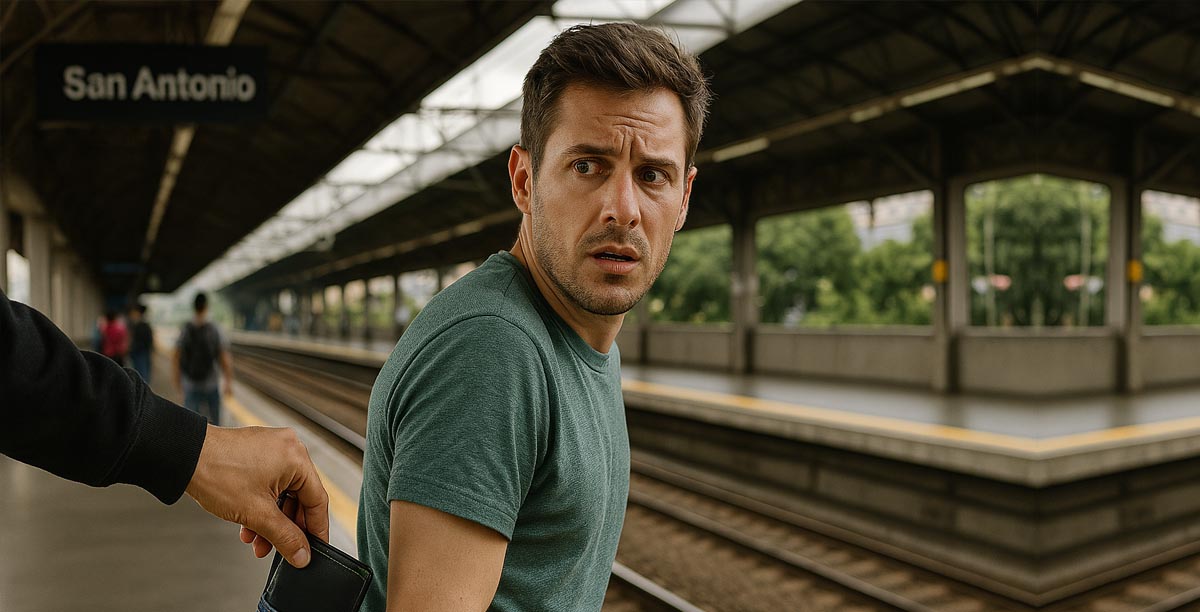
- San Antonio: the central hub connecting multiple lines.
- Acevedo: access point to the Metrocable, linking hillside communities.
- Poblado: located in a major business and commercial district.
- Exposiciones: close to event venues and conference centers.
- Niquía and Itagüí: terminals that highlight the full reach of the metro across the valley.
Each station is equipped with maps, ticket offices, and staff assistance, ensuring smooth travel for daily commuters and visitors alike.
A personal perspective on the Metro
Using the Medellín Metro on a daily basis gave me an appreciation for its impact on the city. Unlike many public transport systems I’ve used elsewhere, this one stood out for its discipline and sense of community.
- Affordable fares make it accessible to everyone, from students to workers.
- Predictable schedules mean no surprises—you always know when the next train will arrive.
- Integrated transport options allowed me to switch from train to cable car in a matter of minutes.
- A calm and respectful atmosphere made each ride stress-free.
- Efficient signage and maps eliminated confusion, even during peak hours.
What impressed me most was the sense that the system belongs to the people. Everyone plays a role in preserving it, which creates a safe and welcoming environment.
Advantages of the Medellín Metro System
Affordable and accessible
Low fares make it a viable option for the majority of the population.
Safe and reliable
Security, organization, and fixed routes provide peace of mind.
Environmentally friendly
By reducing reliance on cars, the system contributes to lower emissions and better air quality.
Fully integrated
With the metro, Metrocable, tram, and buses, mobility across Medellín is seamless.
Cultural symbol
The Metro is not just infrastructure—it reflects Medellín’s resilience and transformation.